The Role of Luck in Casino Games
One of the most alluring aspects of casino games is the element of luck. Gamblers often believe that luck plays a crucial role in their chances of winning, creating a psychological dependency on fortune’s favor. This belief can lead to a state of euphoria when a player wins, reinforcing the idea that luck is a tangible force they can harness. In fact, many players often seek out the best canadian online casinos to improve their odds, believing that certain platforms might enhance their luck further. However, the randomness of games such as slots or roulette means that outcomes are not influenced by previous results, which can challenge the gamblers’ perception of control.
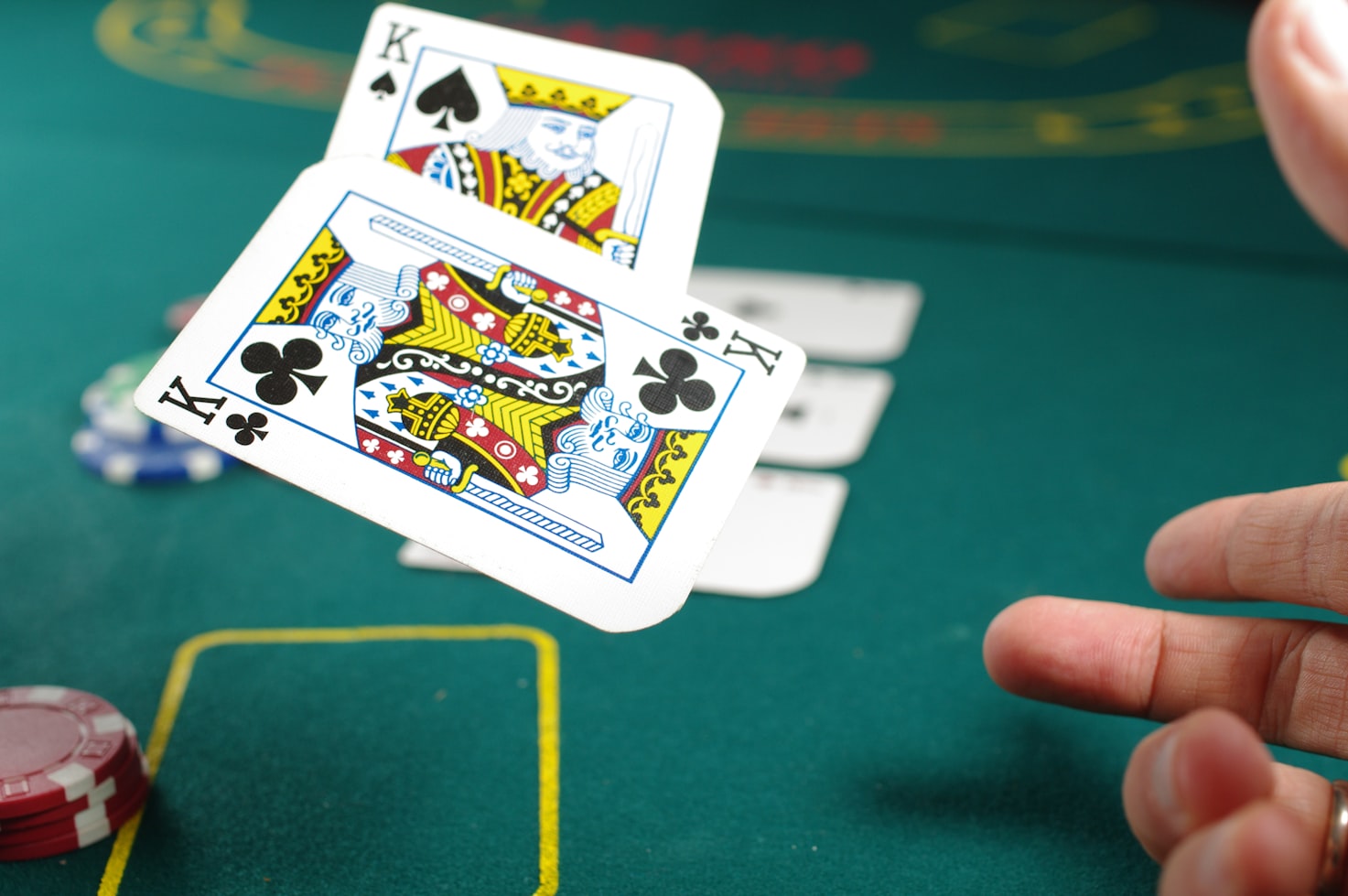
This psychological attachment to luck can also result in a phenomenon known as “gambler’s fallacy,” where players believe that past events will influence future outcomes. For instance, if a specific number hasn’t come up in roulette for several spins, players may feel justified in betting on that number, mistakenly thinking it is due to win. This mindset can lead to erratic betting patterns and can impact overall gambling behavior.
Builder’s Fallacy: The Pursuit of Control
Many players engage in strategies that they believe will give them an edge, despite the inherent randomness of casino games. This pursuit of control often manifests in beliefs about ‘hot’ or ‘cold’ machines, and the idea that a player can manipulate the odds through specific actions. This illusion of control is a powerful psychological driver, leading players to develop routines or superstitions surrounding their gameplay.
Moreover, the concept of skill versus luck creates an interesting dynamic in games like poker and blackjack, where players can employ strategies to improve their chances of winning. This interplay encourages players to invest time in understanding odds and developing tactics, which can enhance their gaming experience, even if the underlying results remain influenced by chance.
The Emotional Rollercoaster of Gambling
Gambling is not just a numerical gamble; it is an emotional experience that can evoke a wide range of feelings. The thrill of winning can trigger feelings of happiness and empowerment, while losses can lead to frustration and despondency. This emotional rollercoaster can significantly impact the way players approach future games. Studies have shown that past wins can influence future betting behavior, leading to increased risk-taking or, conversely, a more cautious approach after a string of losses.
The psychological highs and lows are further compounded by the casino environment itself, designed to stimulate excitement and prolong play. Bright lights, engaging sounds, and the presence of other players contribute to a high-stakes atmosphere that can heighten emotions and draw players further into the experience. This sensory overload can cloud judgment and make it harder for players to make rational decisions.
The Cognitive Dissonance of Losses
Cognitive dissonance arises when players experience a conflict between their beliefs and their actions, particularly in the context of gambling. For instance, a player may believe they are skilled enough to win consistently but face a series of losses. This disconnect can lead to justifications of their behavior, often making it harder to recognize when it’s time to stop playing. To rationalize losses, players may convince themselves that they are on the verge of a big win or that they need to win back their losses, leading to chasing behavior.
Understanding this cognitive dissonance is crucial for responsible gambling. Players must learn to recognize these thought patterns and develop strategies to mitigate their impact, such as setting limits on bankroll and playtime. By addressing the psychological aspects of gambling, individuals can create a healthier relationship with casino games.

Exploring Responsible Gaming Resources
As players navigate the often tumultuous world of casino games, it’s essential to access reliable resources that promote responsible gambling. Engaging with expert insights and innovative strategies can empower individuals to make informed decisions about their gaming habits. Organizations dedicated to responsible gaming provide valuable information and support mechanisms to help players maintain control over their gambling experiences.
The importance of recognizing the psychology behind gambling cannot be overstated. Players equipped with a deeper understanding of their motivations and emotions can foster a healthier relationship with casino games. By recognizing the potential pitfalls and utilizing available resources, players can enhance their gaming strategy and, ultimately, their overall gaming experience.