The balance between luck and skill in gambling what truly influences your success
Understanding Luck in Gambling
Luck is often perceived as a significant factor in gambling. Players frequently enter games with the hope that fortune will favor them, whether in a game of poker, blackjack, or even slot machines. This unpredictability is what makes gambling thrilling; the randomness of outcomes can lead to substantial wins or devastating losses. However, it’s essential to recognize that luck does not operate in isolation. Instead, it intertwines with the skill level of the player, influencing the overall gaming experience. For example, utilizing Gamdom codes can enhance the potential for success by offering various promotions that reward skilled play.
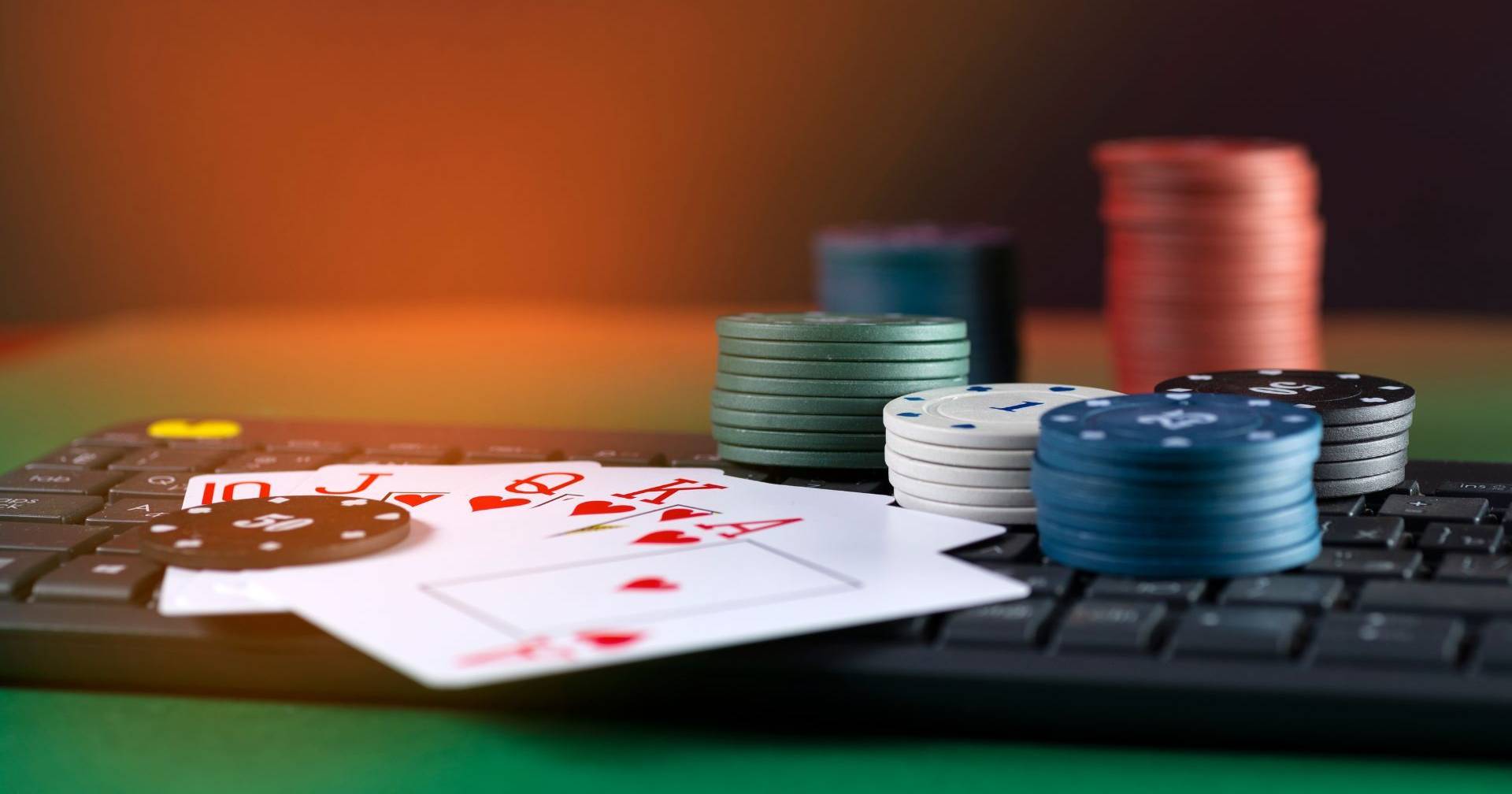
Consider games like roulette, where the spin of the wheel dictates the outcome. The role of luck is pronounced here, as players have limited control over where the ball lands. Nonetheless, understanding the odds and probability can enhance the decision-making process. A knowledgeable player may choose to place bets that statistically offer better chances of winning, demonstrating how skill can enhance the experience even in games heavily reliant on chance.
Ultimately, luck serves as a double-edged sword in gambling. It can create remarkable stories of triumph, leading some to believe that success is entirely due to chance. However, luck is fleeting, and relying solely on it can result in losses. Recognizing luck’s role in gambling is crucial, but it should be balanced with a strong foundation of skill and strategy.
The Role of Skill in Gambling
Skill encompasses the strategies and tactics players employ to increase their chances of winning. In many gambling scenarios, particularly skill-based games like poker, a player’s ability to read opponents, calculate odds, and make strategic decisions can significantly impact their success. For instance, knowing when to bluff or fold can turn the tides in one’s favor, demonstrating how skill can overshadow luck in certain environments.
Moreover, various forms of gambling require different levels of skill. In games like blackjack, understanding the basic strategy and card counting can provide players with a mathematical advantage over the house. This skill set allows for more informed betting and decision-making, directly influencing the player’s success in the game. Thus, while luck may initiate the game, skill often dictates its outcome.
Furthermore, the increasing availability of resources—books, online tutorials, and forums—means that players have more opportunities than ever to hone their skills. The more informed a player becomes, the better their chances of making choices that lead to success. In this way, skill transforms the gambling landscape, emphasizing that success is not solely determined by luck but significantly influenced by a player’s expertise.
The Interaction Between Luck and Skill
The dynamic between luck and skill in gambling is complex and nuanced. While luck may initially set the stage for a player’s experience, skill often shapes the narrative. For instance, consider a series of poker tournaments where luck dictates the cards dealt. A skilled player can leverage this chance to make better decisions and maximize their winnings, showing that while luck may lead to opportunities, skill is what capitalizes on them.
Additionally, the interplay between luck and skill can be illustrated through different gambling scenarios. In lottery games, pure luck determines the winner, while in games like chess or poker, skill prevails over time. This distinction highlights the importance of understanding the specific type of gambling involved and how each game requires a different balance between luck and skill. Over time, players who consistently apply skill are more likely to achieve long-term success, despite the occasional lucky win.
Ultimately, acknowledging the coexistence of luck and skill enables players to better navigate the gambling landscape. Instead of viewing these elements as mutually exclusive, recognizing how they influence each other can lead to more informed decisions. Balancing these aspects is vital for anyone serious about improving their gambling outcomes, blending strategy with an acceptance of chance.
The Impact of Technology on Gambling
Technology has transformed the gambling industry in numerous ways, creating new avenues for both luck and skill to intersect. Online gambling platforms and mobile apps have made it easier than ever for players to access games at their convenience. However, these advancements also introduce elements of randomness that can alter the traditional dynamics of luck and skill.
For instance, online poker platforms often utilize random number generators (RNGs) to ensure fairness in card distribution. While this technology enhances the game’s integrity, it also emphasizes the randomness associated with luck. As players adapt to these digital environments, they must develop new skills, such as mastering digital interfaces and understanding the nuances of online gameplay.
Moreover, technology enables players to access vast amounts of information and analytical tools, allowing them to enhance their skills significantly. Players can now analyze past games, track betting patterns, and employ sophisticated strategies that were previously difficult to implement. This blend of technology with gambling creates an environment where players can exercise greater control over their fate, balancing the scales between luck and skill more effectively than ever before.
The Importance of Responsible Gambling
As the balance between luck and skill continues to evolve in the gambling world, it’s imperative for players to engage in responsible gambling practices. Understanding that neither element guarantees success can help mitigate the potential for problematic gambling behavior. Players must recognize that relying too heavily on luck can lead to irresponsible decisions, whereas honing skills without acknowledgment of chance may create unrealistic expectations.
Responsible gambling involves setting limits, both in time and money, and recognizing when to walk away. By fostering a healthy relationship with gambling, players can enjoy the thrill of the game while maintaining control over their actions. This balance also allows individuals to appreciate both the skill involved and the role of luck without falling into the traps of addiction or financial strain.
Ultimately, promoting responsible gambling enhances the overall experience, leading to greater satisfaction and reduced risks. By understanding the interplay between luck and skill, individuals can approach gambling with a mindset that respects both elements while prioritizing their well-being.

Maximizing Your Experience with Gamdom
For players looking to maximize their gaming experience, Gamdom Codes 2026 serves as a valuable resource. The platform offers a range of promotions and bonuses specifically tailored to enhance user engagement and enjoyment. By utilizing these promotions, players can receive cashback offers, deposit bonuses, and loyalty rewards, making their gambling journey both exciting and rewarding.
Moreover, Gamdom provides clear instructions on activating these codes, ensuring that players can seamlessly navigate the various promotions available. Whether a player is a cryptocurrency enthusiast, an esports follower, or a sports bettor, the platform caters to diverse interests and preferences. By staying updated with the best offers, users can significantly improve their gaming experience, blending the thrill of luck with the mastery of skill.
In conclusion, understanding the balance between luck and skill in gambling is essential for any player aiming for success. With the tools and resources available through platforms like Gamdom, players can harness both elements to create a more fulfilling and potentially profitable gaming experience. Embracing this balance allows for a more strategic approach to gambling, ensuring that luck and skill work hand in hand in the pursuit of success.